
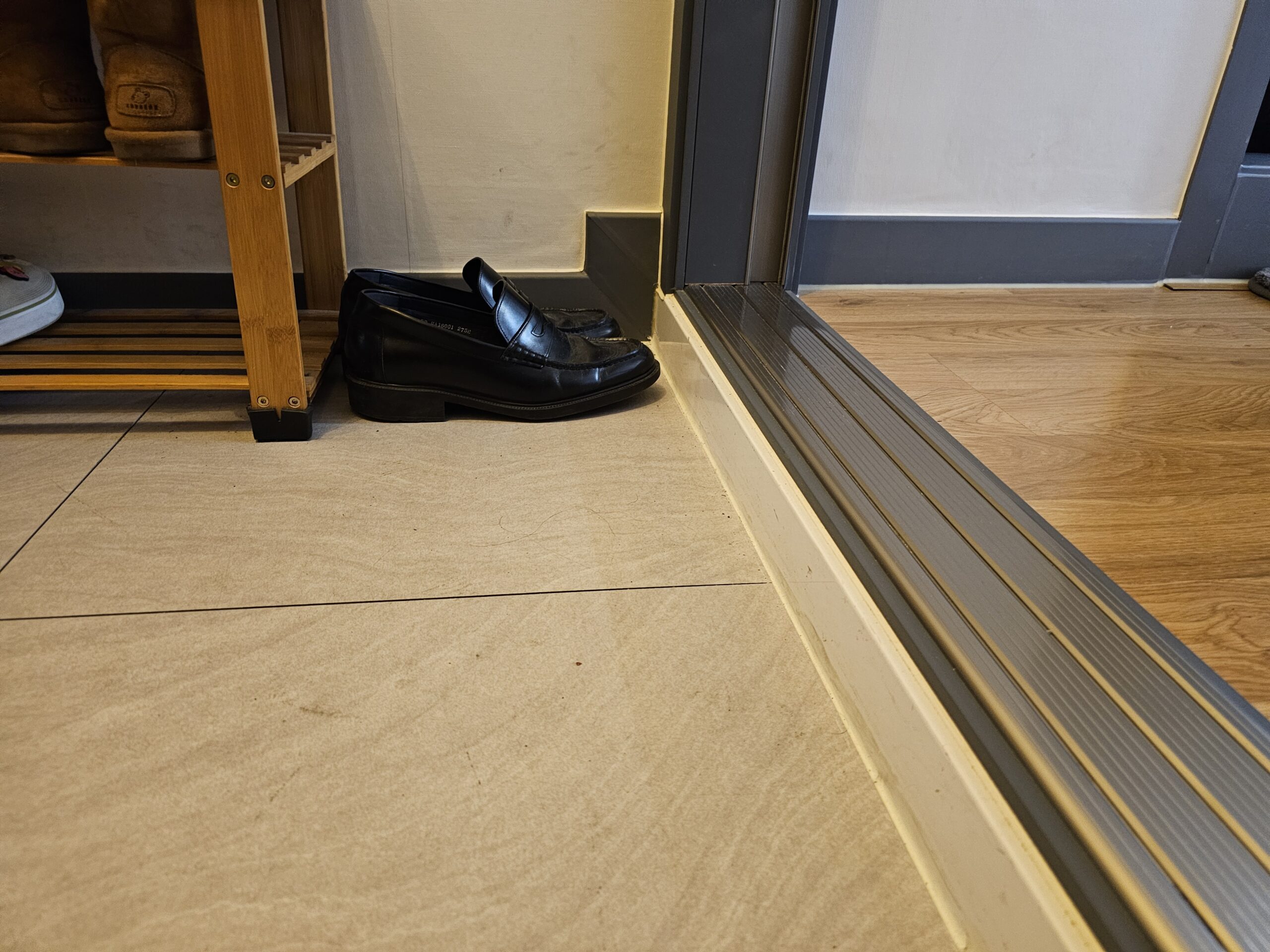
Things That Surprise Foreigners When They First Come to Korea
🟦 What this article explains
- Why wearing shoes inside Korean homes is unthinkable
- What the Korean entryway space called “Hyun-gwan” is
- How a second door called “Jung-mun” and floor heating (Ondol) shape Korean home life
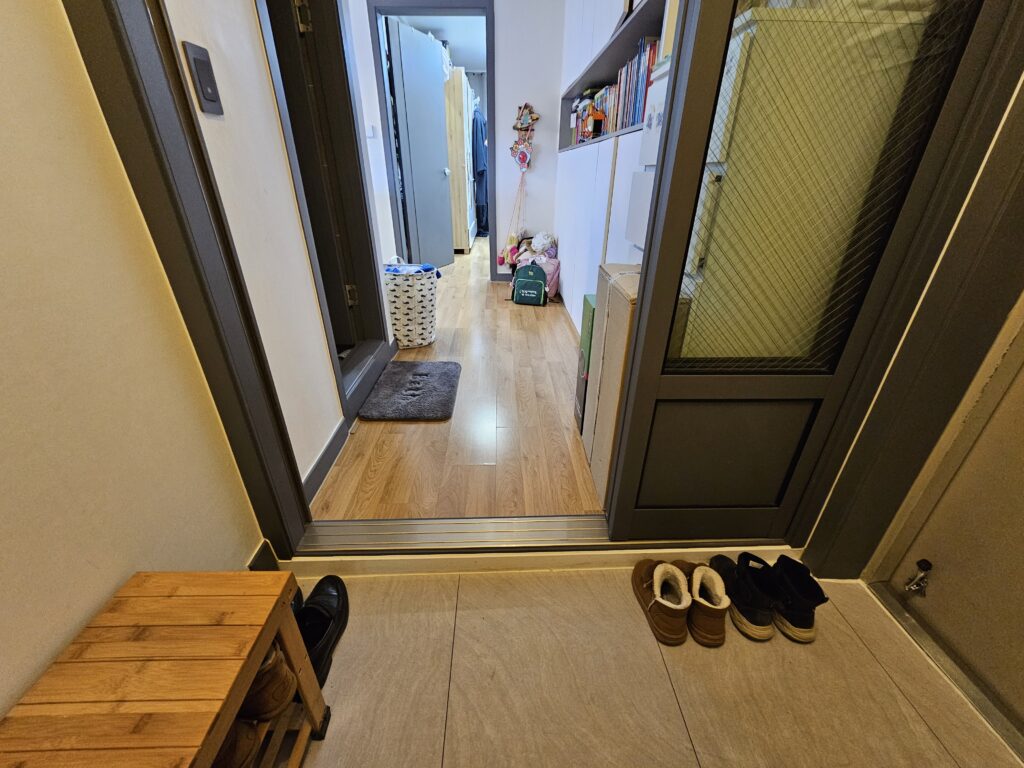
The First Cultural Surprise Happens at the Door
“For many foreigners visiting Korea, the first culture shock happens right at the front door.”
In Korea, people always take off their shoes before entering the house. Walking around indoors with outdoor shoes feels extremely uncomfortable to most Koreans. It’s not just about cleanliness — it’s connected to how Korean homes are designed and heated.
🟦 1️⃣ The “Hyun-gwan” — A Special Space Just for Shoes
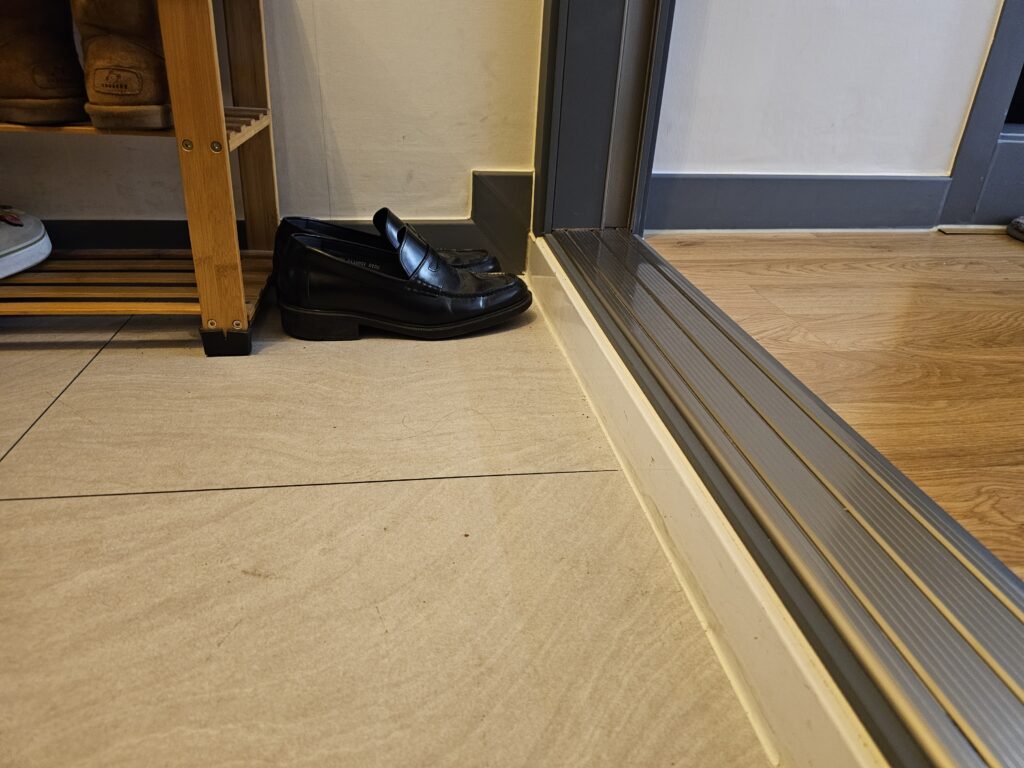
Korean homes have a small entry space called “Hyun-gwan (현관)”. This area is slightly lower than the rest of the house and usually has tile flooring.
This design clearly separates:
| Outside World | Inside Living Space |
|---|---|
| Shoes on | Barefoot or indoor slippers |
| Dirt, dust, pollution | Clean living area |
| Street environment | Family living zone |
The difference in floor height makes it obvious where shoes must come off. This physical step also creates a mental boundary between “outside” and “home.”
🟦 2️⃣ The “Jung-mun” — The Second Door That Foreigners Don’t Expect
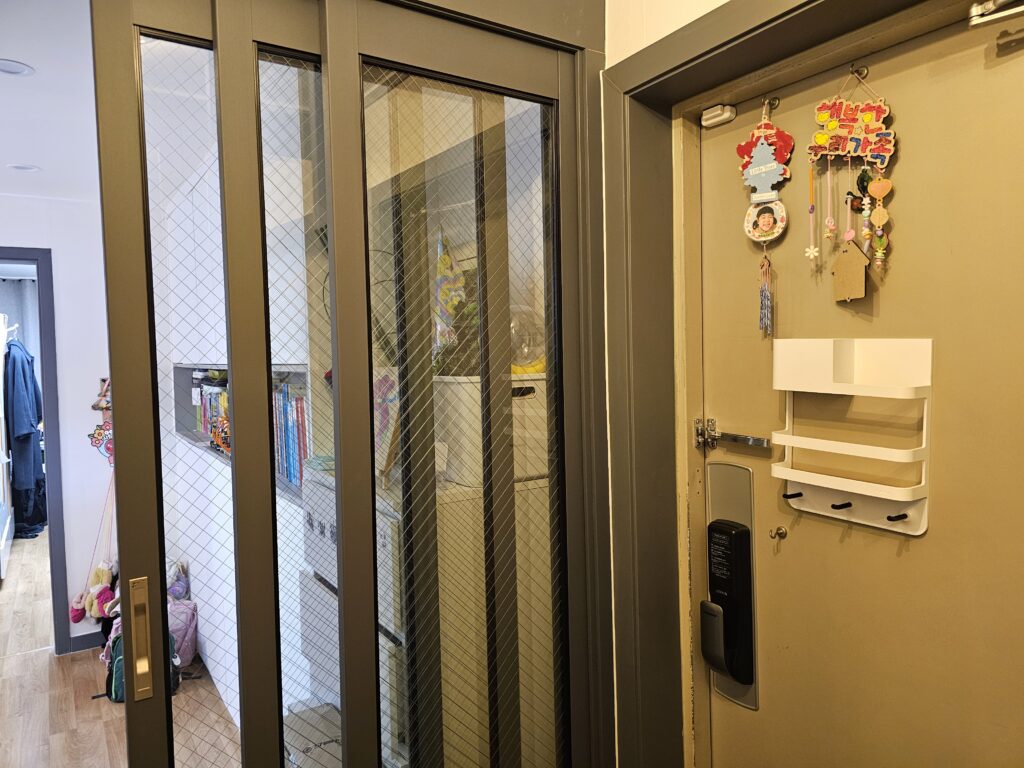
Before entering the main living space, many Korean apartments have another door called “Jung-mun (중문)”, or a middle door.
This door has several important roles:
- Keeps cool air inside during summer
- Prevents heat from escaping in winter
- Blocks outside cold air
- Reduces noise between home and hallway
- Helps minimize noise disturbance to neighbors in apartments
Because most Koreans live in apartments or villas, managing noise and indoor temperature is an important part of daily life.
🟦 3️⃣ Why Floor Heating (Ondol) Makes Shoes Indoors Feel Wrong
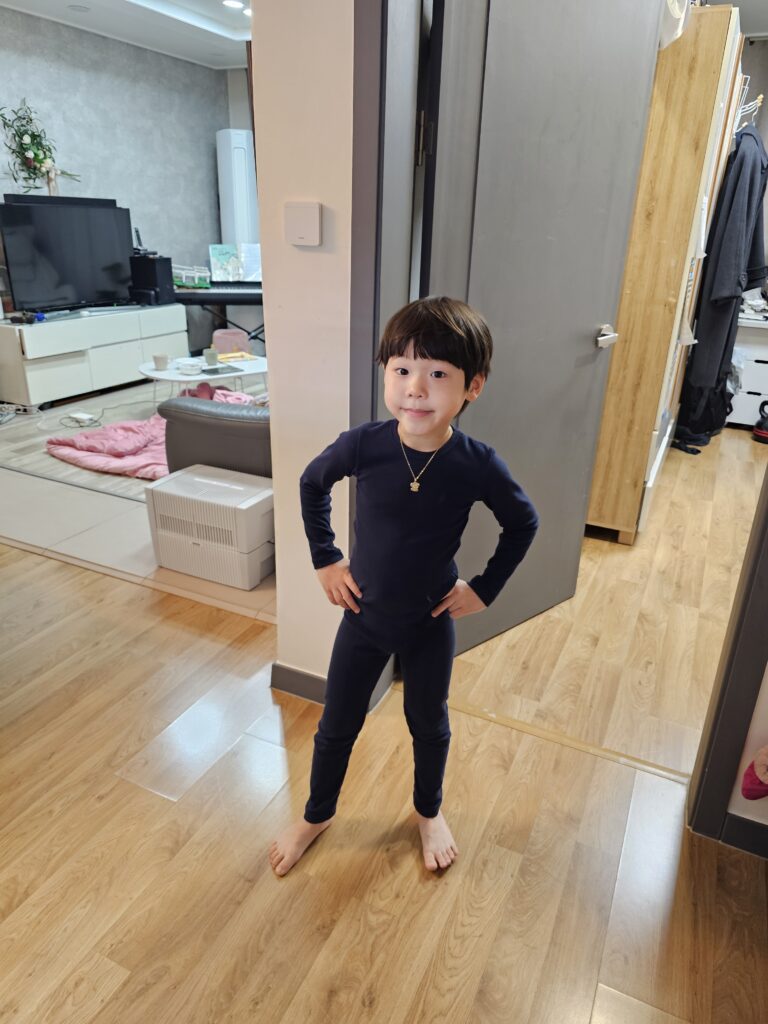
(A typical child in a Korean household can walk around barefoot even in winter, thanks to the ‘ondol’ floor heating system.)
Once you step past the entrance and middle door, you’re standing on a heated floor system called “Ondol.”
Ondol is a traditional Korean heating method where heat comes from beneath the floor. It warms both:
- The air
- The floor surface
This is why many Koreans walk barefoot at home, even in winter. The floor itself feels warm and comfortable.
Wearing outdoor shoes on this heated floor would feel like bringing street dirt onto a place where people sit, lie down, and sometimes even eat.
To many Koreans, wearing shoes inside feels as strange as someone climbing onto a bed with shoes on.
🟦 🌍 Korea vs Other Countries
| Korea | Many Western Countries |
|---|---|
| Shoes always removed indoors | Shoes sometimes kept on |
| Floor used for sitting and living | Furniture-based lifestyle |
| Floor heating common | Radiators or air heating |
| Entry space for shoes | No separate entrance zone |
This is why foreigners often find Korean homes surprisingly warm — and surprisingly shoe-free.
🟦 4️⃣ What Visitors Should Do
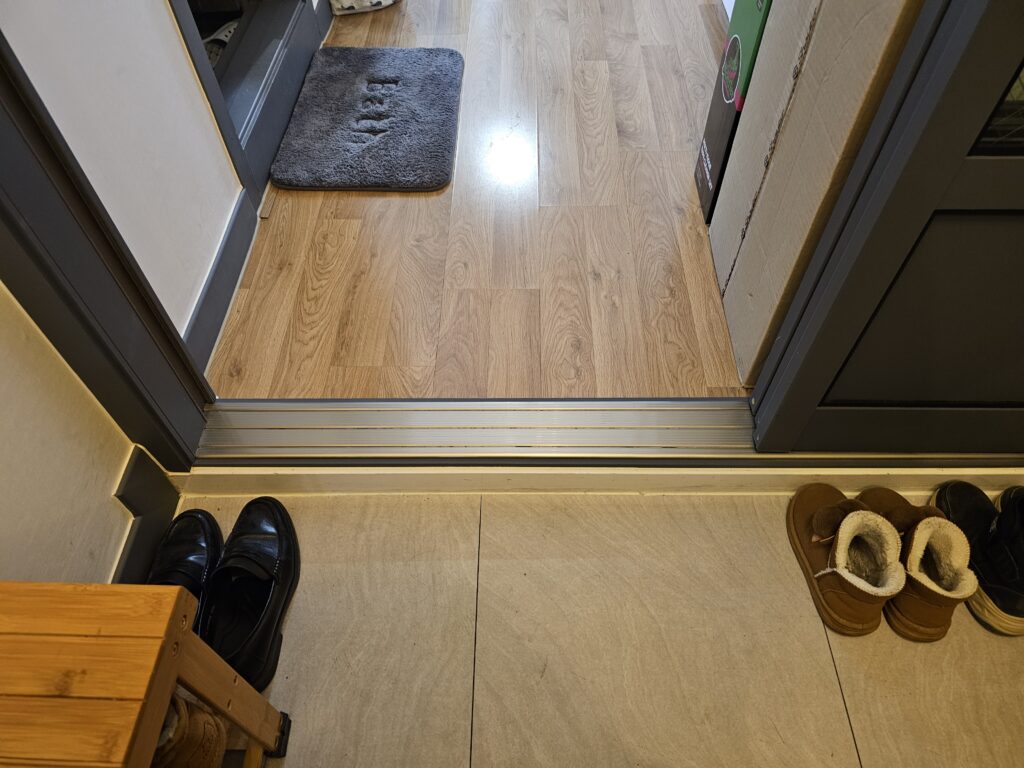
If you visit a Korean home:
✔ Take off your shoes at the entrance
✔ Leave them neatly facing outward
✔ Wear indoor slippers if offered
✔ Never step into the living space with outdoor shoes
This small action shows respect and cultural awareness.
🟦 💡 Everyday Life Impact
Because of this system:
- Floors stay very clean
- Children often play directly on the floor
- People feel comfortable sitting or lying down
- Homes feel warmer in winter
This lifestyle is only possible because the no-shoes rule is strictly followed.
🟦 Conclusion
What seems like a simple habit is actually connected to Korean architecture, heating technology, and respect for shared living spaces.
In Korea, culture really does begin at the door.